Weight Loss: The Factors Holding It Back – What You Need to Know to Break Through
- Ramon Riemer-Menger

- May 12
- 5 min read
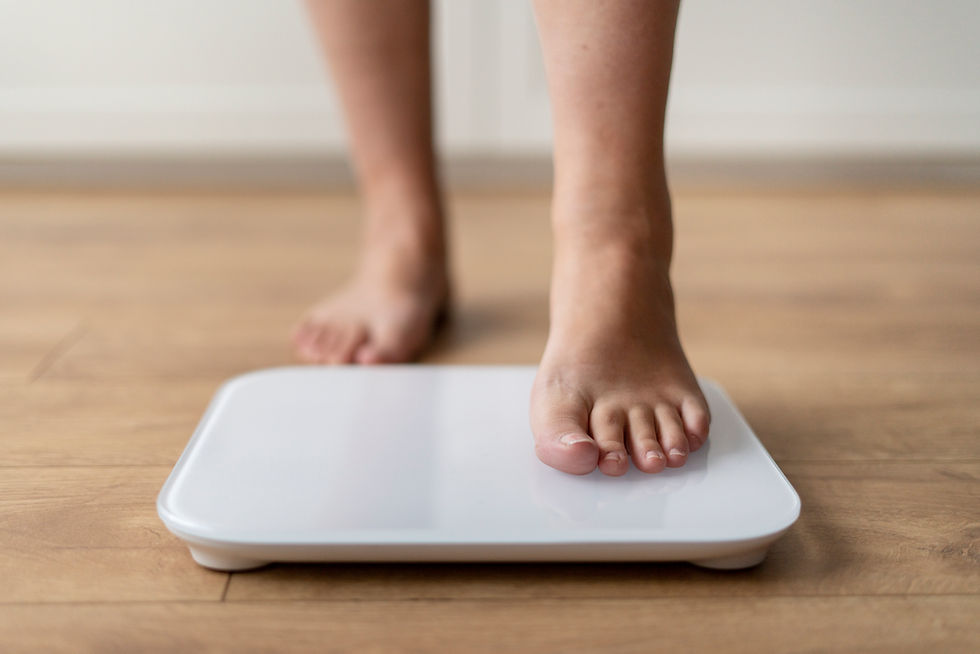
Losing weight is often much more than just eating less and exercising more. Many people start a diet in good spirits, lose weight quickly at first, but soon hit a plateau where results slow down or stop altogether. What is going on? Why does weight sometimes stubbornly remain at the same level, even when you are making every effort? In this article, we dive into the underlying factors that can hinder weight loss, from sleep deprivation to hormonal imbalance, and how you can overcome them to achieve your goals.
1. Not Enough Sleep: The Key to Success
Sleep is one of the most important factors for successful weight loss, but unfortunately, it is often overlooked. When you get too little sleep, it affects your metabolism, hormones, and eating habits. Sleep deprivation increases ghrelin levels (the hunger hormone) and lowers leptin (the satiety hormone), making you feel hungrier and crave unhealthy food more. Furthermore, lack of sleep leaves you with less energy to exercise, making it easier to fall into a vicious cycle.
2. Blue Light at Night: The Assassin to Your Sleep
Most people are unaware of how blue light – especially from phone, laptop, and TV screens – affects their sleep quality. Blue light disrupts the production of melatonin, the hormone that helps your body fall asleep. Without sufficient melatonin, you cannot enter a deep, restorative sleep, and this affects your recovery, your energy levels, and therefore your ability to burn fat. Make sure to avoid screens for at least an hour before going to sleep.
3. In the beginning you lose weight quickly, then it stagnates
This is something almost everyone experiences. At the beginning of a new diet or training program, you lose weight quickly—water weight, glycogen stores, and a little fat. But after a few weeks, it often comes to a halt. This plateau can be demotivating, but it is completely normal. Your body is now used to the new routine, and your metabolism needs to adjust to the changes. It is important to remain patient and not lose focus. Sometimes it is necessary to adjust or intensify your approach to make progress again.
4. Move for 3 minutes after every half hour of sitting.
Long periods of sitting can be harmful to your metabolism, even if you exercise regularly. It is essential to stay active throughout the day. Every time you sit for half an hour, stand up and move around for a moment: do a few squats, take a short walk, or other exercises that activate your body. This improves circulation, increases your energy, and keeps your metabolism active.
5. More Than 10,000 Steps Is Pointless?
Although many people focus on reaching 10,000 steps a day as the magic number for health, some studies show that it is not necessarily essential to reach this number of steps every day for weight loss. However, it is important to remain consistently active. What really counts is the intensity and the way you move. Instead of just counting steps, try a combination of strength training, interval training, and walking.
6. Push Your Limits With Strength Training
Strength training is essential for building muscle mass, and muscle tissue burns more calories at rest than fat tissue. It is therefore important not only to focus on cardio, but also to take your strength training to the next level. This means you really have to push yourself to the limit – lift heavier, do more repetitions, and add progressive overload. The more muscle mass you have, the easier it becomes to burn fat, even when you are at rest.
7. Incorrect Breathing: An Unknown Enemy
The way you breathe can have an unexpected impact on your ability to burn fat. Stress, anxiety, and shallow breathing can slow down your metabolism and raise your stress hormones (such as cortisol), making it harder to lose fat. Try to consciously breathe deeply and calmly, especially in stressful situations or after an intense workout. Breathing techniques such as abdominal breathing or pranayama can help you calm your body and optimize the fat-burning process.
8. Disrupted Sleep-Wake Rhythm (For example, Night Shifts)
A disrupted sleep-wake rhythm can upset hormonal balance, especially if you regularly work night shifts. An irregular rhythm affects not only your sleep but also your eating habits and metabolism. It can cause you to crave sugary snacks more and make your body less efficient at burning calories. Where possible, try to stabilize your rhythm and use tools such as a sleep mask or an app that helps you restore your sleep cycle.
9. Eating too late before going to sleep
What you eat and when you eat has a major impact on your sleep and your weight. Eating too late – especially heavy, carbohydrate-rich, or fatty meals – can disrupt your sleep and slow down your metabolism. Eat your last meal at least 2 to 3 hours before going to sleep. This gives your body time to digest the meal and prevents you from lying awake feeling full.
10. Wrong Nutrients That Undermine a Good Night's Sleep
It is not only the timing of your last meal that affects your sleep, but also the nutrients you eat. Sugar and processed foods can disrupt your blood sugar levels, causing peaks and valleys that keep you awake. Choose nutritious, slow-digesting carbohydrates such as vegetables and whole grains, and eat a source of protein and healthy fats before bed to maintain stable blood sugar levels.
11. Stress: The Fat Storage Machine
Chronic stress leads to elevated levels of the stress hormone cortisol, which promotes fat storage, especially around the abdomen. It can also increase your appetite and intensify your craving for unhealthy comfort food. It is important to find ways to reduce stress, such as meditation, yoga, breathing exercises, or even simply walking in nature.
12. No Brown Fat Stimulation
Brown fat is a special type of fat tissue that burns calories to generate heat. If your body does not have enough brown fat or if it is not sufficiently stimulated, it can be more difficult to lose fat. Cold exposure and strength training can help activate brown fat.
13. Unstable Blood Sugar Level
Fluctuations in your blood sugar levels can lead to intense hunger and cravings for sugar and fast carbohydrates. This can affect your food choices and hinder your weight. Ensure your meals are well-balanced with protein, fiber, and healthy fats to keep your blood sugar levels stable.
14. Too Few Healthy Nutrients, Which Causes Cravings
If your body does not receive the right nutrients, it may start craving foods that provide quick energy, such as sugar or processed products. This leads to cravings that are hard to resist. Ensure that your diet is rich in vitamins, minerals, and antioxidants, and that you get enough healthy fats and proteins.
15. Hormonal Imbalance
Hormonal imbalances, such as high cortisol levels (due to stress) or insulin resistance, can make it difficult to lose weight. This often requires a targeted approach with the help of a doctor or nutritionist.
16. Toxins in the Bloodstream
Toxins, such as heavy metals, pesticides, and other environmental pollutants, can accumulate in your body and impair your metabolism. Detoxification through a healthy diet, drinking enough water, and possibly support from a specialist can help.
Conclusion: Losing weight is a complex process in which many factors play a role. It is important to follow a holistic approach and not focus solely on diet and exercise. Sleep, stress management, nutrition, exercise, and hormonal balance must all be in harmony to promote fat loss. Be patient, stay consistent, and adjust your approach if you get stuck. Losing weight is not a sprint, but a marathon, and understanding the factors that can hinder it is the key to success.


Comments